Field’s Metal is commonly associated with a melting temperature near 62°C, but that figure applies to a defined indium-bismuth-tin eutectic rather than every low-melting alloy sold under a similar name. By the end, you will know how to verify the supplied grade, melt it without local overheating or water hazards, store it correctly, and set practical controls for plants across Karnataka.
Key takeaways
- Specify composition and melting range, not only a 62°C melting point.
- Use a calibrated probe and controlled heating below the alloy’s degradation risk.
- Request the SDS, certificate of analysis, batch number, and melting-range test.
- Plan spill recovery and waste classification before bringing the alloy onsite.
What melting point should you specify for Field’s Metal?
The commonly quoted Field’s metal melting point is 62°C, but that figure is a nominal eutectic melting temperature, not a value that applies to every product sold under the name. It refers to an alloy containing approximately 51 wt% indium, 32.5 wt% bismuth, and 16.5 wt% tin.
A true Field’s metal industrial alloy has this indium-bearing chemistry; a generic low-melting alloy does not.
For a fields metal melting range karnataka enquiry, request these details before approving the material:
- Composition tolerance for indium, bismuth, and tin
- Test method used to determine the melting temperature
- Lot-specific solidus and liquidus temperatures
- Certificate of analysis linked to the batch number
- Confirmation that the material is lead-free and cadmium-free when the application requires it
A small composition shift, contamination, or substitution with a Field’s-type alloy can change melting behaviour. Treat 62°C as a nominal reference for the specified eutectic composition, not as an unrestricted process setting. A supplier’s claim of “low melting” does not prove that the alloy is genuine Field’s Metal.
Do not substitute the 138–170°C range published for CAST Metal. Those figures describe a different material and are not interchangeable with Field’s metal melting point data; they do not establish Field’s Metal performance. If a quotation says only “low-melting alloy,” ask for the exact grade, chemistry, and lot-specific thermal results.
Indium content is also a significant cost variable, so cheaper tin-bismuth alloy is not a like-for-like replacement for the fields metal industrial alloy.
How should you melt and temperature-control Field’s Metal?
A controlled charge starts with indirect heating, not an open flame. Use a thermostatically controlled hot plate, oil bath, or purpose-suitable heated vessel, and avoid heating far above the nominal fields metal melting point of about 62°C; excess heat causes local overheating, tooling damage, contamination, and poor repeatability.
1. Inspect and dry the vessel, moulds, tools, scrap, and solid charge. Water contacting molten alloy can flash to steam and eject metal, so reject wet material rather than trying to evaporate it over the melt.
2. Charge small quantities into a clean, dry, compatible vessel. Set a slow, controlled heating rate suited to the vessel and batch size, then measure with a calibrated temperature probe positioned in the melt, not against the vessel wall.
3. After partial melting, stir gently with a dry, compatible tool to equalise temperature. Do not whip the surface or scrape oxide into the charge; entrained oxide and inclusions reduce fluidity and change the apparent melting behaviour.
4. Fill dry moulds steadily from a low height, keeping hands and face out of the splash path. Avoid overfilling, sudden pouring, and contact between molten alloy and damp benches, tools, or containers.
5. Collect clean solid returns in a labelled container separate from sweeps and contaminated material. Repeated remelting is not composition-neutral when oxide, steel, copper, aluminium, or mould-release residue enters the batch; verify chemistry before reusing production returns.
Field’s metal handling still requires heat-resistant gloves, eye protection, and a face shield during charging or pouring. Let residues solidify before mechanical removal, and never pour molten alloy into a drain.
What handling, storage, and exposure controls are required?
Material near 62°C can cause contact burns, and splashing adds a second hazard. Safe fields metal handling requires heat-resistant gloves rated for contact with material near 62°C, safety glasses with side protection, and a face shield during charging, stirring, mould filling, or spill response.
- Obtain the alloy’s Safety Data Sheet before setting exposure controls. Indium, bismuth, tin, impurities, and additives have different hazard profiles. Provide ventilation that prevents fumes or contaminated dust from accumulating, and follow the SDS limits and respiratory-protection instructions.
- Keep water away from molten operations. Dry the vessel, moulds, tools, scrap, and charge before heating; trapped water can flash to steam and eject metal. Mark hot vessels, restrict access, and keep unprotected workers outside the charging and filling area.
- Use only dry, compatible tools for spills. Let spilled alloy solidify before mechanical removal, collect it in a labelled container, and never pour molten alloy into a drain.
- Store solid stock shaded, dry, clean, sealed, and separated from direct sun, hot vehicles, furnaces, steam lines, and poorly ventilated warehouses. Keep it away from mixed-metal contamination.
Quarantine damaged packaging or incorrectly labelled stock. Relabel recovered material only after verifying its identity and composition against traceable records; do not return unidentified alloy to production or general scrap.
How can a Karnataka buyer verify the alloy before purchase?
A quotation that says only “Field’s Metal” is not enough. A genuine Field’s Metal reference should identify the indium-bismuth-tin grade, while a cheaper tin-bismuth alloy is not a like-for-like replacement: removing indium changes both melting behaviour and mechanical performance.
- Supplier’s legal name and address
- Product name, grade, and whether it is pure Field’s Metal, Field’s-type, or an equivalent alloy
- Stated composition, including indium, bismuth, and tin percentages and tolerances
- Nominal melting point or melting range, with the test method used
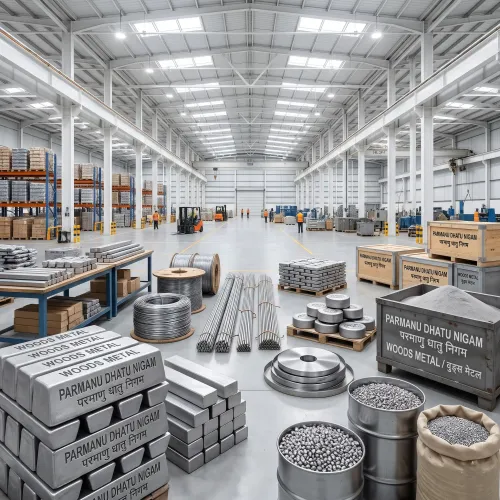
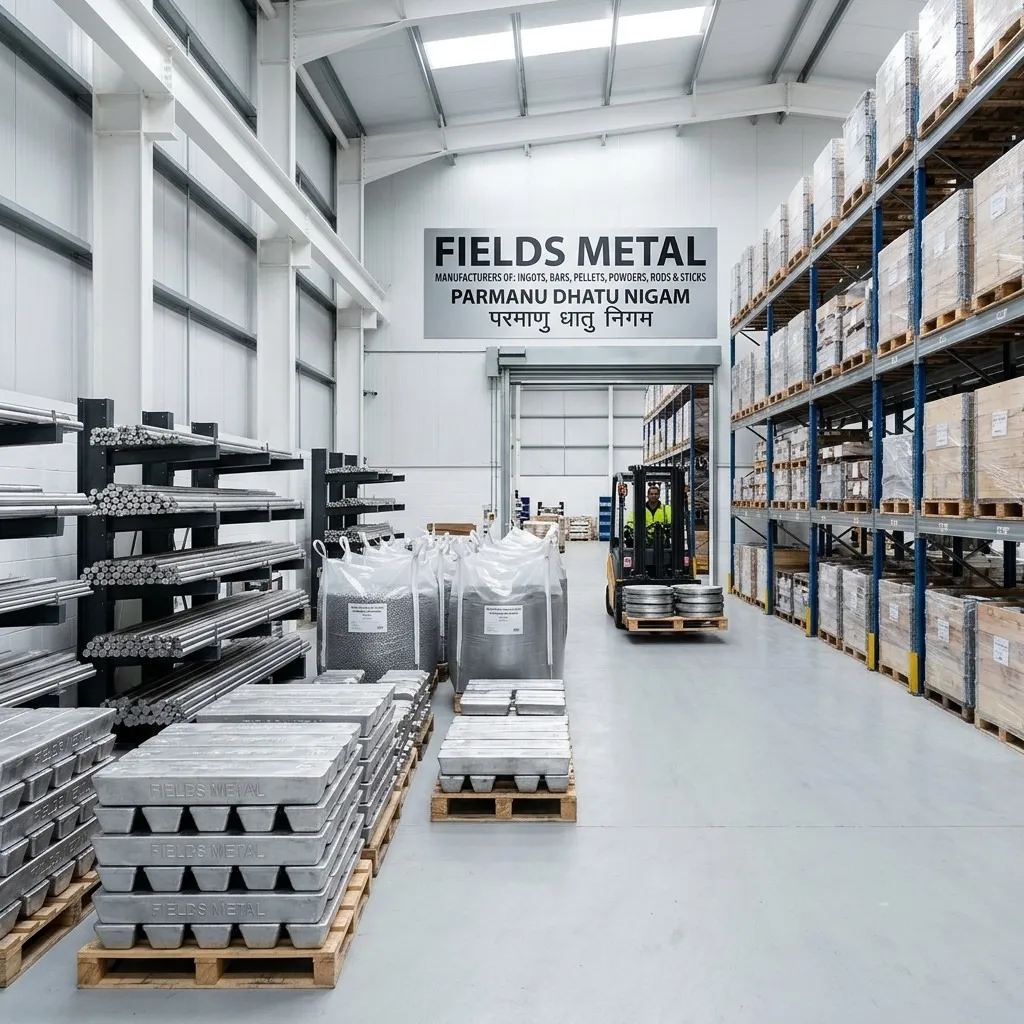
- Physical form: ingot, shot, pellets, or reclaimed metal
- Lot or batch number
- Certificate of analysis and Safety Data Sheet
- Packaging identification, seal condition, net weight, and labels
- Traceability records linking the certificate to the delivered lot
- Lead-free and cadmium-free status when the process requires it
Compare the certificate’s composition tolerance with your process requirement, not just the advertised number. Ask for lot-specific solidus and liquidus data if the Field’s metal melting range in Karnataka affects tooling or temperature control. Indium content is a commercial variable, so a low price deserves an explanation.
| Comparison | What it indicates | Buyer’s action |
|---|---|---|
| Pure Field’s Metal | Approximately 51% indium, 32.5% bismuth, 16.5% tin | Require composition and batch evidence |
| Field’s-type or equivalent | Similar purpose, different chemistry possible | Require exact grade and melting test |
| Tin-bismuth alloy | Lower-cost substitute without equivalent indium chemistry | Reject as like-for-like replacement |
A quotation from a Field’s metal supplier Karnataka should state packaging and delivery terms. Parmanu Dhatu Nigam can be asked to document grade identity, batch traceability, certificate availability, packaging, and delivery terms rather than relying on the product name.
How should Karnataka plants plan use, transport, recovery, and disposal?
Field’s Metal suits temporary support, fixturing, mandrels, low-temperature casting, heat-transfer work, and safety-device applications in Bengaluru, Mysuru, Hubballi-Dharwad, and other Karnataka plants. Treat it as a fields metal industrial alloy for process use, not as a load-bearing structural alloy at ordinary service temperatures.
1. Define the trial use and order lead time before scheduling production. A fields metal supplier in Karnataka should state whether the material is genuine Field’s Metal, a Field’s-type alloy, ingot, shot, pellets, or reclaimed metal. Inspect the delivery against its batch number, certificate, composition, and melting data.
2. Transport sealed packages upright, shaded, and protected from impact. Do not leave them in parked vehicles, beside furnaces or steam lines, or in poorly ventilated warehouses; concentrated heat can soften or melt stock. Apply your site’s fields metal handling procedure for hot work, molten-metal access, emergency burns, and spill isolation.
3. Recover only clean returns in identified containers. Keep them separate from contaminated sweeps, steel, copper, aluminium, mould-release residue, and absorbents; repeated remelting can change chemistry, wetting, fluidity, and melting behaviour. Verify composition periodically before returning recovered alloy to production.
4. Send contaminated alloy, absorbents, and packaging to an authorised waste contractor under your site’s waste classification and record system. Do not put residues into general scrap until composition and contamination have been assessed. Keep recovery and disposal records linked to the original batch.
Frequently asked questions
What melting point should you specify for Field’s Metal?
Specify the alloy composition and an agreed melting range. The commonly quoted 62°C value describes a nominal eutectic alloy containing about 51 wt% indium, 32.5 wt% bismuth, and 16.5 wt% tin.
How should you melt and temperature-control Field’s Metal?
Use a controlled hot plate, heating block, or bath with a calibrated temperature probe. Heat gradually, stir with compatible tools, and control the process to the supplier’s stated melting range.
What handling and storage controls does Field’s Metal require?
Review the product SDS, wear suitable eye and hand protection, prevent contamination, and store clean solid alloy in a labelled, sealed container away from incompatible materials and unnecessary heat.
How can a Karnataka buyer verify Field’s Metal before purchase?
Request the batch number, certificate of analysis, stated indium-bismuth-tin composition, melting-range result, SDS, and traceability documents. Compare them with your purchase specification before accepting delivery.
How should plants plan Field’s Metal recovery and disposal?
Keep recovery containers ready, prevent alloy from entering drains, segregate contaminated material, record the quantity recovered, and confirm the applicable waste classification with your authorised waste contractor.
Keywords